They depend on habitat
Food, shelter and breeding sites connect birds to the condition of the places they use.
 Bird NepalBirds. Ecology. Discovery.
Identify a bird
What birds do. What they tell us. And how we can share their world with a little more care.
Meet the birds ↗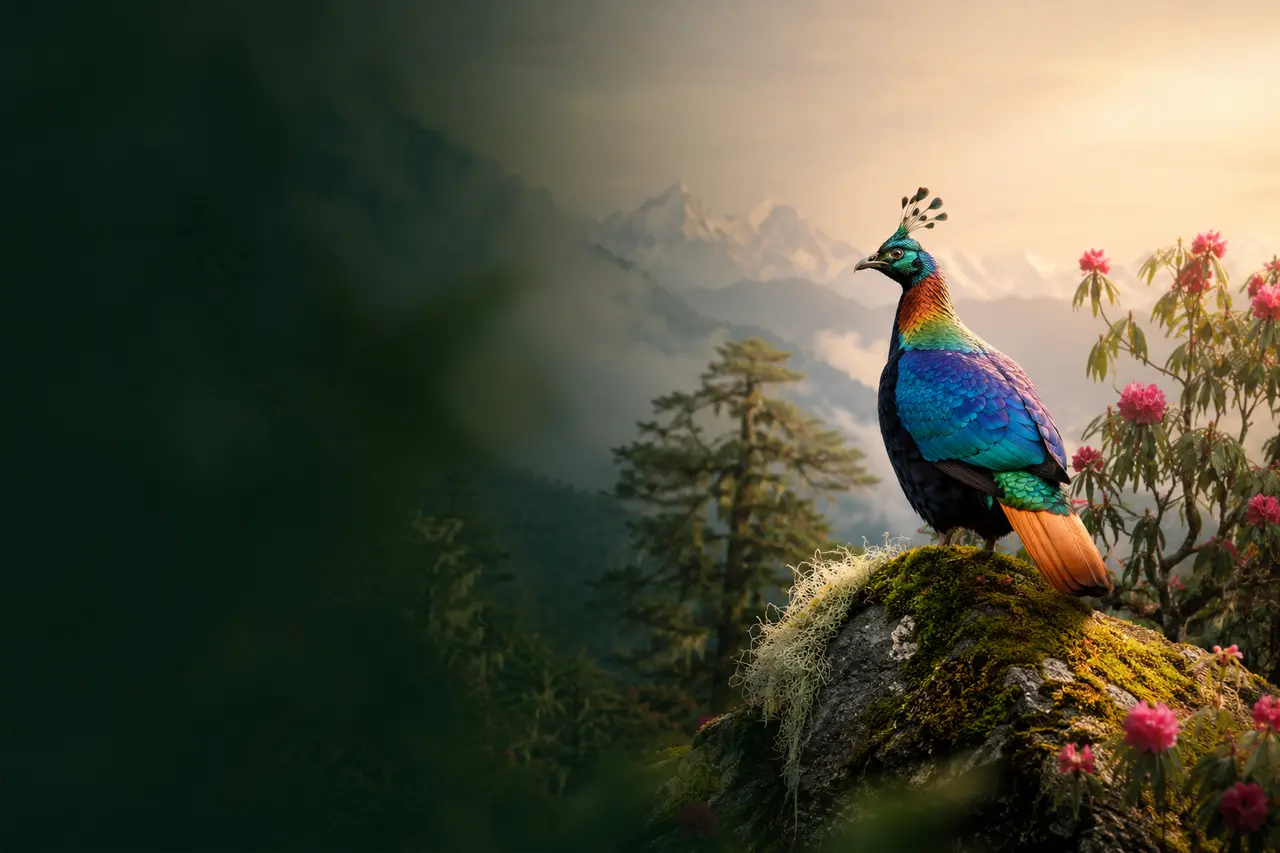
Birds help ecosystems function. Their roles depend on what they eat, where they live and how they move.
Ecological roles: BirdLife International ↗
Birds are widespread, comparatively well studied, and often easier to observe than many other animals. Changes in their populations can reveal environmental change.
Food, shelter and breeding sites connect birds to the condition of the places they use.
Repeated surveys let researchers compare populations across places and years.
A sustained decline can prompt investigation of habitat, resources and other pressures.
A single missing bird does not prove pollution or habitat damage. Weather, season, migration, survey effort and detectability matter. Researchers need repeated observations and independent evidence.
Indicator science: BirdLife’s State of the World’s Birds ↗
Ornithology studies birds: their behaviour, evolution, ecology and conservation. Taxonomy names and classifies organisms.
Common names vary between languages and regions. A two-part scientific name identifies genus and species: Lophophorus impejanus. Taxonomy changes as evidence grows; project names may differ from newer checklists.
Classification: IOC World Bird List ↗ · Ornithology: Cornell Lab ↗
Notice the canopy, undergrowth and fruiting trees. Record where a bird feeds, rather than only its name.
Notice water level, bankside vegetation and disturbance. Compare visits in the same season.
Notice trees, hedges and flowering plants. Everyday places offer opportunities to observe behaviour.
You don’t need to be an expert to observe thoughtfully. Start with the place you know.
Keep your distance. Do not approach nests, chase birds or use calls to draw a bird out for a photograph.
Avoid sharing precise nest sites and sensitive locations of threatened birds.
Retain suitable native vegetation where possible. Avoid littering rivers, wetlands and trails.
Record date, habitat and behaviour. Verify identifications before submitting records to citizen-science projects.
Independent organisations and scientific resources. Links do not imply a partnership or endorsement.
Conservation, education and vulture programmes in Nepal.
Visit resource ↗Science & conservationSpecies information, conservation evidence and indicators.
Visit resource ↗Learn about birdsBird science, learning resources and citizen science.
Visit resource ↗Citizen scienceExplore observations and learn to submit a complete checklist.
Visit resource ↗TaxonomyConsult a global checklist and taxonomic updates.
Visit resource ↗Conservation statusCheck current assessments, dates and supporting information.
Visit resource ↗Editorial review: 9 October 2026. Species status fields remain historical project data through 2022. Reference photographs are individually credited.